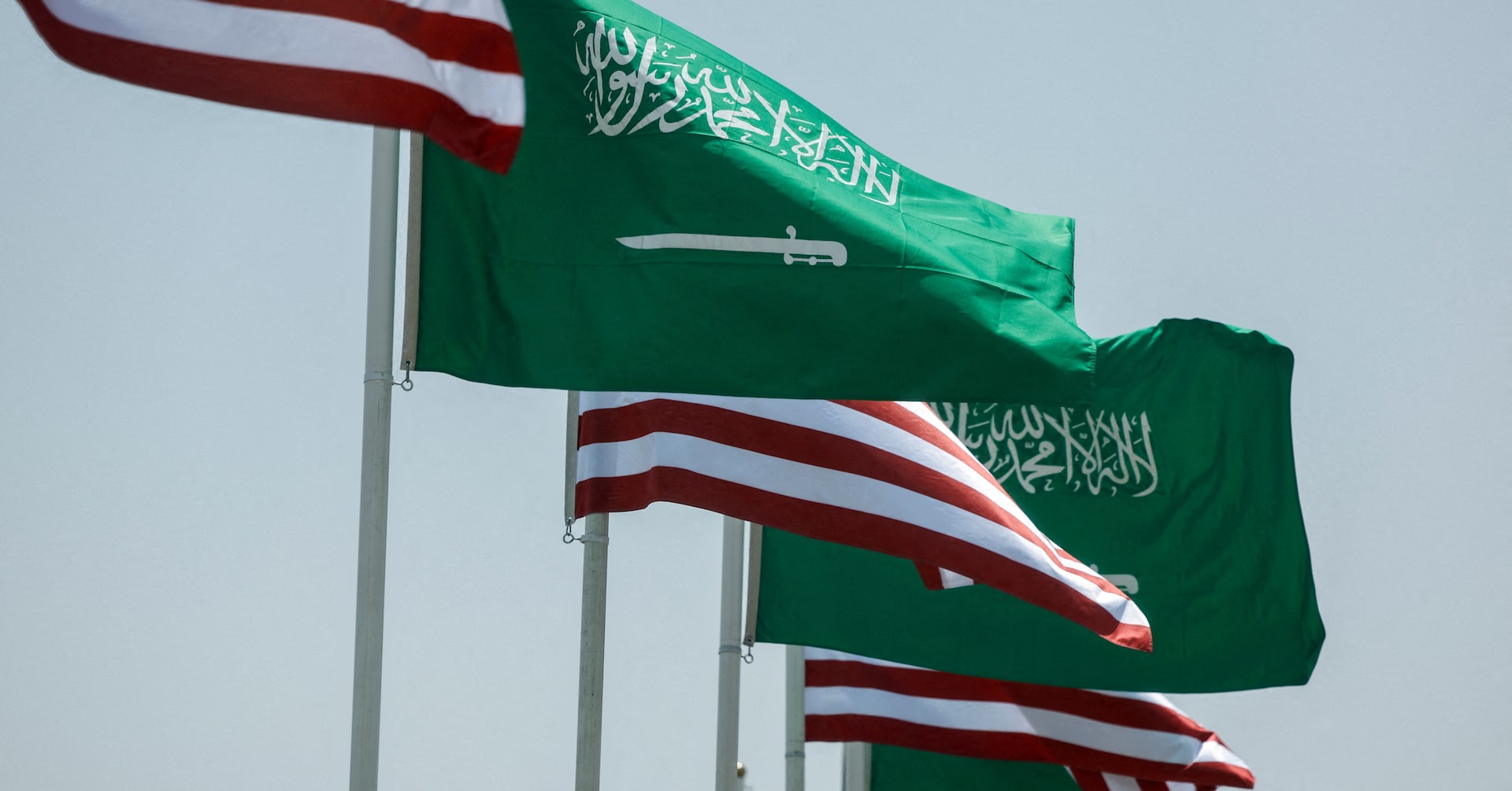
The United States and the Kingdom of Saudi Arabia have taken a major step towards establishing one of the most significant civilian nuclear partnerships in recent years, signing a landmark peaceful nuclear cooperation agreement that could reshape the global nuclear landscape and reignite debate over nuclear safeguards, non-proliferation and the future of nuclear diplomacy.
Signed on 22 July 2026 by U.S. Secretary of Energy Chris Wright and Saudi Arabia’s Minister of Energy Prince Abdulaziz bin Salman, the agreement—commonly known as a Section 123 Agreement under the U.S. Atomic Energy Act—provides the legal framework for decades of civil nuclear cooperation between the two countries. Alongside the cooperation agreement, both governments also concluded a bilateral safeguards arrangement intended to support the peaceful use of nuclear technology and facilitate future commercial nuclear projects.
According to the U.S. Department of Energy, the agreement is expected to support American participation in Saudi Arabia’s emerging nuclear programme while strengthening bilateral economic relations, promoting nuclear safety and security, and reinforcing international non-proliferation objectives. It will now undergo review by the United States Congress before entering into force.
A Strategic Shift in the Middle East
Saudi Arabia has long pursued plans to diversify its energy mix under its Vision 2030 strategy. Although the country possesses one of the world’s largest oil reserves, rapidly growing domestic electricity demand, water desalination requirements and ambitions to reduce dependence on hydrocarbons have made nuclear energy an increasingly attractive option.
The Kingdom has previously signed cooperation agreements with several nuclear technology suppliers, including France, China, Russia, South Korea and Argentina. However, the United States has historically been viewed as the preferred strategic partner because of its advanced reactor technologies, regulatory experience and influence within the global nuclear governance system.
The agreement opens opportunities for U.S. companies to participate in Saudi Arabia’s planned nuclear power programme, which is expected to include large-scale reactors and potentially advanced nuclear technologies in the future.
Debate Over Safeguards and Uranium Enrichment
Despite official assurances that the agreement strengthens nuclear non-proliferation, it has generated significant international debate.
Media reports indicate that the agreement differs from previous U.S. cooperation arrangements—particularly the 2009 U.S.–United Arab Emirates agreement, often referred to as the “gold standard” because the UAE voluntarily renounced uranium enrichment and spent fuel reprocessing.
Reports suggest that the Saudi agreement could permit domestic uranium enrichment under agreed conditions, a prospect that has attracted scrutiny from non-proliferation experts and lawmakers who argue that enrichment technology possesses inherent dual-use characteristics, serving both civilian nuclear fuel production and, potentially, weapons programmes if safeguards fail.
The U.S. administration maintains that the agreement upholds high standards of nuclear safety, security and non-proliferation and will strengthen international oversight while enabling peaceful nuclear cooperation.
Lessons for African Nuclear-Newcomer Countries
Although the agreement primarily concerns the Middle East, its implications extend well beyond the region.
Across Africa, countries including Ghana, Kenya, Rwanda, Uganda, Nigeria, Egypt and others are pursuing varying stages of nuclear infrastructure development. Many of these programmes will ultimately require bilateral cooperation agreements with technology-supplier states.
The Saudi agreement highlights several issues that African policymakers should carefully evaluate before entering similar arrangements.
First, bilateral nuclear cooperation agreements are not merely commercial contracts. They define long-term strategic relationships covering technology transfer, fuel supply arrangements, safeguards obligations, export controls, intellectual property, nuclear liability, security commitments and future access to advanced technologies.
Second, newcomer countries must ensure that commercial considerations never outweigh regulatory independence. National nuclear regulatory authorities must retain full authority over licensing, inspection, enforcement and safety oversight in accordance with International Atomic Energy Agency (IAEA) Safety Standards.
Third, governments should seek diversified international partnerships that avoid excessive dependence on a single technology supplier, ensuring resilience across fuel supply, maintenance, training and long-term operational support.
Africa’s Growing Nuclear Future
As more African countries move closer to deploying nuclear power, international cooperation agreements will become increasingly important components of national nuclear infrastructure.
These agreements must strike a careful balance between attracting investment, securing advanced technologies and preserving national sovereignty while fully complying with international safeguards obligations under the Treaty on the Non-Proliferation of Nuclear Weapons (NPT) and IAEA verification requirements.
The Saudi–U.S. agreement serves as a reminder that nuclear diplomacy is about far more than reactor construction—it is equally about governance, strategic partnerships, regulatory credibility and international confidence.
For African nuclear newcomer countries, the most important lesson is clear: a successful nuclear programme begins not with concrete and steel, but with strong institutions, transparent governance and carefully negotiated international partnerships.
Related


Africa Deepens Nuclear Safeguards Capacity as AFCONE Convene Hands-On Training in Nairobi
By Nuclear Africa• August 24, 2026
A 300 MW SMR Could Support More Than 12,500 Construction Jobs in Ghana: New Study Tests Nuclear’s Economic Case
By Nuclear Africa• August 24, 2026
Ghana Targets 1,000 MW of Nuclear Power by the Mid-2030s: What Must Happen Before Construction Can Begin?
By Nuclear Africa• August 24, 2026