South Africa’s National Nuclear Regulator has confirmed that three airborne radioactive-contamination events occurred inside the Koeberg Nuclear Power Station during maintenance work, but that the events caused no off-site radiological consequences and posed no danger to the public.
The events occurred on 30 June, 2 July and 7 July 2026 inside the Unit 2 reactor building.
According to information provided by the regulator, the events involved elevated airborne radioactive contamination following interruptions to ventilation equipment used during maintenance. The contamination remained contained within the power station.
Workers who might have been affected were screened. The regulator reported that detected contamination levels were below the radiation exposure associated with a typical dental X-ray.
The National Nuclear Regulator is continuing its inspections but said the events did not satisfy the criteria for classification as a nuclear or radiological incident or emergency.
What happened at Koeberg?
The events took place during maintenance activities at Koeberg Unit 2.
Maintenance work inside a nuclear plant may involve opening equipment, establishing temporary work areas and using portable ventilation systems to control airborne radioactive particles.
Such ventilation systems help maintain airflow in a direction that prevents contamination from spreading beyond a controlled work area.
During the Koeberg work, the loss of power to ventilation units allowed airborne contamination levels to rise temporarily within designated areas.
The events were detected through the plant’s radiation-protection systems, and work controls were implemented.
More detailed reporting indicates that the 2 July event involved a damaged power cord affecting a portable ventilation unit and resulted in the precautionary evacuation of workers from the area.
The regulator’s assessment remains the authoritative basis for determining the safety significance of the events.
Contamination is not the same as exposure
Public discussion of nuclear events often uses the terms contamination, radiation exposure and radioactive release interchangeably. They describe different conditions.
Radioactive contamination means that radioactive material is present in a location where it is not intended to be. It may be found in the air, on a surface, on clothing or on a person.
Radiation exposure means that a person is subjected to ionising radiation. Exposure can occur without physical contamination—for example, during a medical X-ray.
A radioactive release occurs when radioactive material escapes from a controlled system or facility into the wider environment.
The Koeberg events involved airborne contamination within controlled areas of the plant. According to the National Nuclear Regulator, there was no release into the external environment.
This distinction is essential for accurate reporting.
Why ventilation matters
Ventilation is an important part of contamination control inside nuclear facilities.
Temporary ventilation systems may be installed around maintenance areas to:
- direct airflow;
- capture airborne particles;
- maintain negative pressure;
- prevent contamination from spreading;
- filter exhaust air; and
- protect workers outside the immediate work zone.
A loss of ventilation can cause contamination levels inside an enclosed work area to increase.
This does not automatically mean that the reactor is unsafe or that radioactive material has entered the environment. It does, however, require immediate radiation-protection action, investigation and corrective measures.
Repeated losses of ventilation during one maintenance period also justify regulatory scrutiny of equipment reliability, work planning, electrical supplies and supervisory controls.
Worker protection
Occupational radiation protection is a core part of nuclear safety.
Workers entering controlled areas typically use personal dosimeters, protective clothing, respiratory protection where necessary and contamination-monitoring equipment.
Following work, personnel may be screened for radioactive material on their clothing or bodies. Where contamination is found, established decontamination and medical-assessment procedures are applied.
The regulator reported that workers potentially affected by the Koeberg events were screened and that detected levels were low.
The absence of significant exposure does not remove the need to investigate how the events occurred. Nuclear safety places emphasis on learning from low-consequence events before similar failures can combine with more serious conditions.
Regulatory transparency
The National Nuclear Regulator’s public communication is significant.
It confirmed that the events occurred, explained their location, distinguished them from an environmental release and stated that further inspections were continuing.
Transparent reporting helps reduce both unnecessary public alarm and institutional complacency.
When nuclear organisations delay communication, incomplete information can create space for rumours and exaggerated claims. When they minimise genuine problems, they risk damaging long-term trust.
Effective nuclear communication must therefore be timely, technically accurate and understandable to non-specialists.
The public should be told:
- what happened;
- where it happened;
- whether radioactive material left the site;
- whether workers or the public were exposed;
- what the regulator is doing;
- what corrective measures are required; and
- whether plant operations are affected.
Koeberg’s importance to Africa
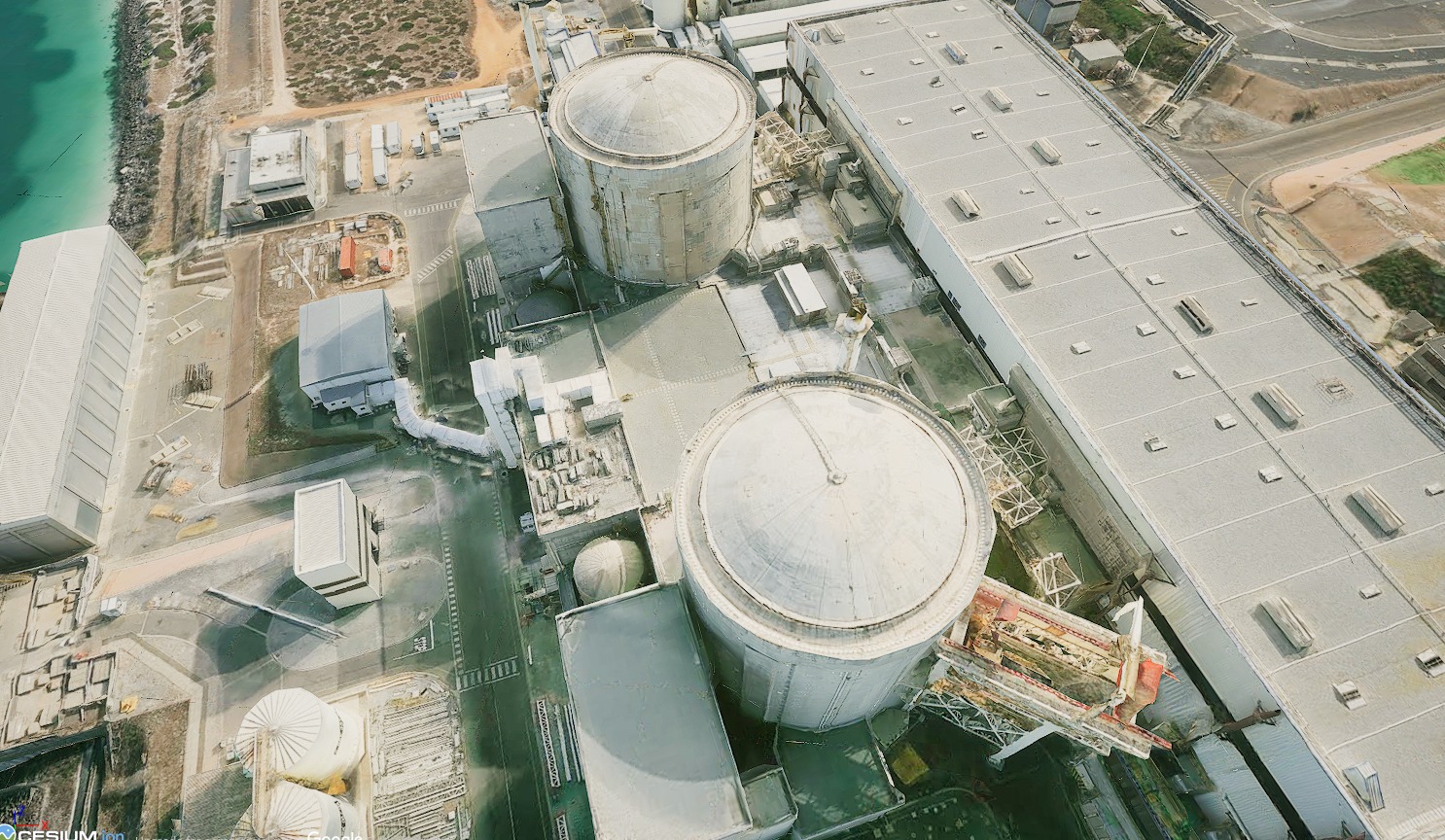
Located approximately 40 kilometres north of Cape Town, Koeberg is Africa’s only operating commercial nuclear-power station.
Its two pressurised-water reactors were commissioned during the 1980s and supply around 5% of South Africa’s electricity.
The station is therefore important not only to South Africa’s electricity system but also to Africa’s broader nuclear-energy ambitions.
Its operating experience informs regulators, utilities and policymakers across the continent.
The plant’s reactors have received long-term operating approvals that could allow them to continue operating beyond 2040.
Maintaining strong ageing-management, maintenance and radiation-protection programmes will be particularly important during this extended period.
Lessons for African nuclear-newcomer countries
1. Develop strong occupational-radiation programmes
Countries often focus on major reactor accidents when preparing nuclear legislation and institutions.
Routine occupational protection, contamination control, dosimetry and maintenance oversight are equally important to safe daily operation.
2. Regulate maintenance activities carefully
Maintenance outages can involve large numbers of workers, temporary systems, opened equipment and changing plant configurations.
Regulators and operators must ensure that outage planning receives the same attention as normal reactor operations.
3. Preserve regulatory independence
The regulator must be able to inspect facilities, obtain records, interview workers and require corrective action without interference from the operator or political authorities.
Public statements should reflect the regulator’s independent technical judgement.
4. Prepare communication protocols in advance
Public communication should not be improvised after an event.
Nuclear regulators and operators need agreed procedures for classifying events, informing government, communicating with the media and correcting misinformation.
5. Promote safety culture
Workers must feel able to stop work, report equipment problems and raise concerns without fear of punishment.
A strong safety culture treats minor events as opportunities for improvement rather than reasons to conceal information.
Avoiding sensational reporting
The Koeberg events deserve public attention, but they should not be reported as a radiation leak, reactor accident or nuclear emergency.
Those descriptions are inconsistent with the regulator’s findings.
Equally, describing the events as completely insignificant would overlook the importance of repeated failures in temporary ventilation arrangements during maintenance.
Responsible reporting should recognise both facts:
- there was no off-site release and no danger to the public; and
- the events require investigation and corrective action to prevent recurrence.
This balanced approach supports informed public discussion.
What happens next?
The National Nuclear Regulator is expected to continue inspecting the circumstances surrounding the events.
Important questions include:
- why ventilation equipment lost power repeatedly;
- whether temporary systems were adequately designed and maintained;
- whether backup power arrangements were sufficient;
- whether alarms functioned as intended;
- whether workers followed approved procedures;
- whether work planning adequately considered contamination risks; and
- what corrective measures Eskom will implement.
The final regulatory findings will be more important than speculation based on incomplete information.
Conclusion
The three contamination events at Koeberg demonstrate why nuclear safety depends on effective control of routine maintenance activities as well as protection against major accidents.
According to South Africa’s National Nuclear Regulator, the contamination remained inside the plant, worker screening showed low levels and there were no consequences for the surrounding public or environment.
The appropriate response is therefore neither panic nor dismissal.
The events should be investigated transparently, corrective actions should be implemented and lessons should be shared with other African nuclear institutions.
As more African countries consider nuclear power, Koeberg’s experience provides a reminder that public confidence is built through competent operations, independent regulation and honest communication—even when an event has limited safety consequences.
Related

Modernising Radioactive-Material Transport Rules: What Africa Can Learn from the US Proposal
By Nuclear Africa• July 27, 2026

Nuclear Africa Opportunities Roundup
By Nuclear Africa• July 27, 2026Rwanda Completes IAEA Review of Research-Reactor Infrastructure
By Nuclear Africa• July 27, 2026