Kenya has moved an important part of its nuclear-security capacity building from the classroom into operational inspections, completing a field exercise focused on strengthening regulatory oversight of high-risk radioactive sources.
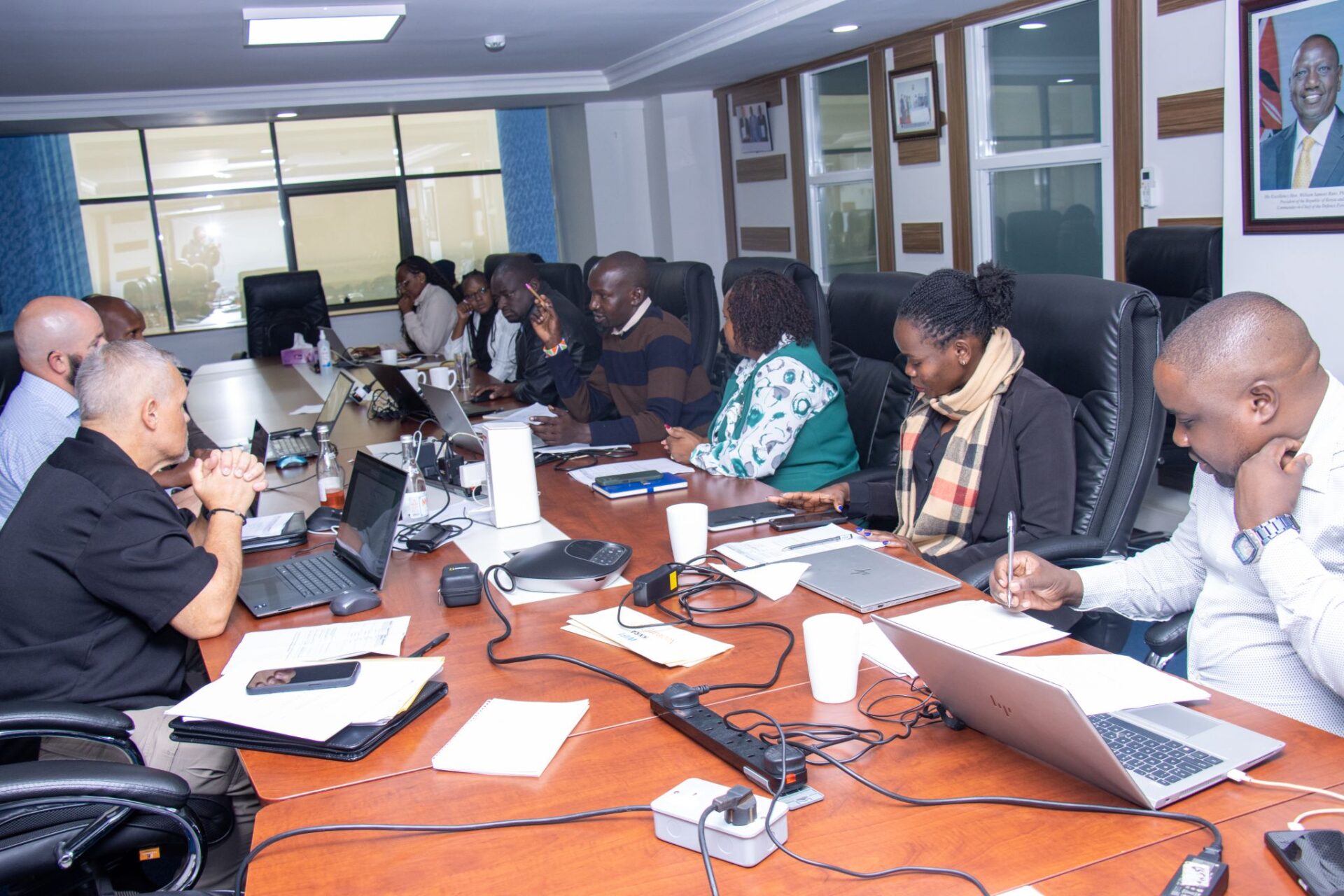
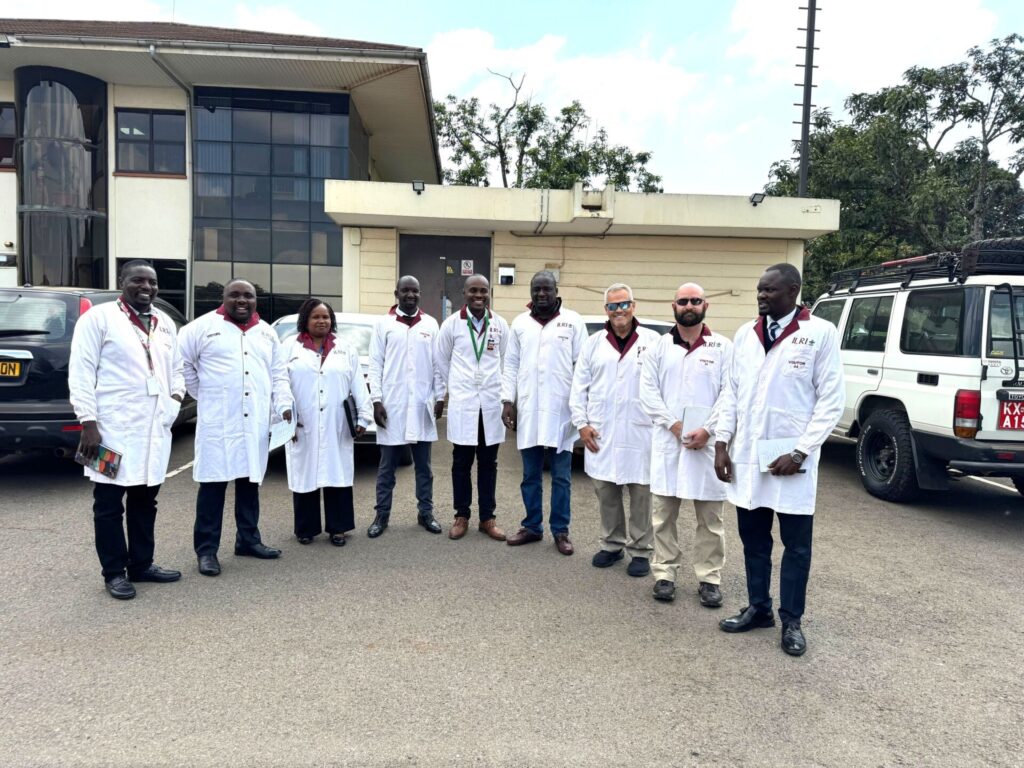
The Kenya Nuclear Regulatory Authority (KNRA) completed a three-day Accompanied Radioactive Source Security Inspections exercise on 22 July in partnership with the United States Department of Energy’s Office of Radiological Security.
The exercise combined technical sessions with accompanied inspections at the International Livestock Research Institute, allowing Kenyan inspectors to apply previously acquired security-inspection skills while receiving real-time observations and technical feedback from international specialists.
KNRA said the programme was designed to strengthen its ability to regulate and inspect facilities possessing Category I and Category II radioactive sources, which represent some of the highest-activity sources subject to regulatory control.
The development provides a useful example of how African nuclear-security assistance can evolve from one-off training workshops towards practical regulatory capability.
From the Classroom to the Facility
The July exercise built on a Radioactive Source Security Inspections workshop conducted in 2021.
Rather than repeating the earlier classroom programme, inspectors were given an opportunity to demonstrate their skills during real-world inspection activities.
According to KNRA, specialists from the US Department of Energy’s Office of Radiological Security observed the inspection process and provided recommendations and mentorship intended to strengthen Kenya’s radioactive-source security inspection programme.
KNRA inspectors subsequently presented their observations, after which the international experts provided technical feedback.
That progression is important.
Training can improve individual knowledge, but a regulator ultimately needs to demonstrate that its inspectors can apply that knowledge consistently when assessing actual facilities.
A mature regulatory system requires inspectors who can identify deficiencies, evaluate security arrangements, document findings, require corrective measures and follow up where necessary.
The real measure of capacity building is therefore not how many workshops have been conducted.
It is whether the national regulator becomes progressively more capable of performing its functions independently.
Why Radioactive-Source Security Matters
Nuclear security is sometimes discussed primarily in relation to nuclear power plants and nuclear material.
But many African countries that do not operate nuclear reactors already possess significant quantities of radioactive material.
High-activity radioactive sources are used around the world in cancer treatment, industrial applications, research and other peaceful activities. The US Office of Radiological Security notes that such sources provide important societal benefits but require adequate protection because high-activity material can present serious security risks if it falls outside effective control.
This means radioactive-source security is not a future issue that begins when an African country constructs a nuclear power plant.
It is a present regulatory responsibility.
Hospitals, industrial facilities, research institutions and other users of radioactive sources need effective systems covering authorisation, inventory, physical protection, inspection, transport and eventual disposal.
For regulators, that makes the capability to inspect security arrangements particularly important.
Category I and II Sources Require Strong Oversight
The Kenya exercise specifically targeted inspection capability for Category I and Category II radioactive-source facilities.
The IAEA’s categorisation framework ranks radioactive sources according to their potential to cause harm if they are not safely managed or securely protected, with Category I representing the highest-risk category.
Facilities using these sources therefore require particularly robust arrangements to prevent unauthorised access, removal or other security failures.
The regulatory challenge is not simply to require security measures on paper.
Inspectors have to determine whether those measures work in practice.
That requires personnel capable of assessing access controls, physical barriers, detection arrangements, procedures, security management and other elements of a facility’s protection system without compromising sensitive security information.
Accompanied inspections offer one way of converting theoretical training into that operational competence.
Kenya’s Wider Nuclear-Security Development
The exercise also fits into a broader strengthening of Kenya’s nuclear-security framework.
In the later parts of 2025, Kenya hosted its first IAEA International Physical Protection Advisory Service mission, or IPPAS.
During the two-week mission, an international expert team worked with KNRA to review arrangements for the security of radioactive material and associated facilities and activities. The team visited eight facilities and held discussions with several Kenyan government institutions.
The July accompanied-inspection exercise should not be presented as a direct implementation audit of every recommendation from that mission.
But the two developments point in the same direction: Kenya is placing increasing emphasis on the practical effectiveness of its radioactive-material security regime.
That is particularly significant as the country simultaneously advances plans for nuclear power.
A future reactor programme will add new regulatory responsibilities, but strengthening the regulator’s existing inspection culture before a power reactor is constructed creates an important institutional foundation.
An Important Distinction: Safety and Security
Radioactive-source safety and radioactive-source security are closely related but not identical.
Safety principally concerns protecting people and the environment from unintended exposure and accidents.
Security addresses deliberate acts such as unauthorised removal, malicious use or sabotage.
A regulatory authority therefore needs competence in both areas.
For African countries, this distinction becomes particularly important because radiation regulators may historically have developed around safety functions associated with medical and industrial radiation use.
As national nuclear-security frameworks mature, regulatory systems must also ensure that security requirements are properly incorporated into authorisation, inspection and enforcement.
Kenya’s field exercise demonstrates one practical way of strengthening that capability.
The Next Step: Institutionalisation
International assistance is valuable, particularly where it exposes national inspectors to specialised expertise and international good practice.
But sustainable nuclear-security capacity cannot depend indefinitely on foreign experts.
The objective should be progressively to institutionalise knowledge within the national regulator.
That means converting international training into national inspection procedures, guidance documents, qualified inspector programmes, mentoring arrangements and eventually domestic instructors capable of training the next generation of regulatory personnel.
KNRA’s decision to build the July exercise on training undertaken in 2021 illustrates how capacity-building programmes can be structured as a progression rather than a collection of disconnected events.
The pathway is straightforward: training, practical application, assessment, feedback, institutionalisation and independent implementation.
That model has relevance across Africa.
Lessons for African Regulators
Many African countries are expanding applications of nuclear science in medicine, agriculture, industry, research and energy.
That expansion will increase the quantity and diversity of radioactive material under regulatory control.
Regulatory capacity therefore has to grow alongside technological adoption.
The Kenya experience suggests several principles.
First, international training should increasingly include practical exercises rather than remaining entirely classroom-based.
Second, inspectors need repeated opportunities to demonstrate competence under realistic conditions.
Third, lessons from international assistance should be incorporated into permanent national inspection programmes.
And fourth, regulators need sufficient staffing and resources to sustain the capabilities developed through international partnerships.
Without institutionalisation, expertise can disappear when trained personnel leave an organisation.
Building Regulatory Culture Before Nuclear Power
There is also a broader lesson for nuclear newcomer countries.
A competent nuclear-power regulator cannot be created immediately before a reactor is commissioned.
Regulatory culture develops over years through repeated authorisations, inspections, assessments, enforcement decisions and interaction with regulated organisations.
Existing radiation facilities therefore provide an important environment in which newcomer regulators can strengthen inspection systems long before they are required to oversee a nuclear power reactor.
This does not mean regulating a medical or industrial radioactive source is equivalent to regulating a nuclear power plant.
The technical complexity and regulatory demands are vastly different.
But competencies such as inspector independence, evidence-based assessment, documentation, enforcement, security culture and regulatory consistency are transferable institutional foundations.
Kenya’s radioactive-source inspection programme should therefore be viewed within that longer regulatory-development trajectory.
NuclearAfrica Perspective
Africa’s nuclear-security landscape will not be strengthened by the number of workshops conducted.
It will be strengthened when regulators can demonstrate that trained national inspectors are consistently applying international standards at facilities under their jurisdiction.
Kenya’s July exercise is noteworthy because it moves in that direction.
The accompanied inspections connected earlier training with actual regulatory practice, giving inspectors an opportunity to demonstrate capability while still benefiting from external technical review.
For African regulators receiving international nuclear-security assistance, that is an important model.
The objective of cooperation should ultimately be less dependence on external expertise, not more.
Training matters. But implementation is where nuclear security becomes real.
Sources: Kenya Nuclear Regulatory Authority; US Department of Energy Office of Radiological Security; Pacific Northwest National Laboratory.
Related


Africa Deepens Nuclear Safeguards Capacity as AFCONE Convene Hands-On Training in Nairobi
By Nuclear Africa• August 24, 2026
A 300 MW SMR Could Support More Than 12,500 Construction Jobs in Ghana: New Study Tests Nuclear’s Economic Case
By Nuclear Africa• August 24, 2026
Ghana Targets 1,000 MW of Nuclear Power by the Mid-2030s: What Must Happen Before Construction Can Begin?
By Nuclear Africa• August 24, 2026