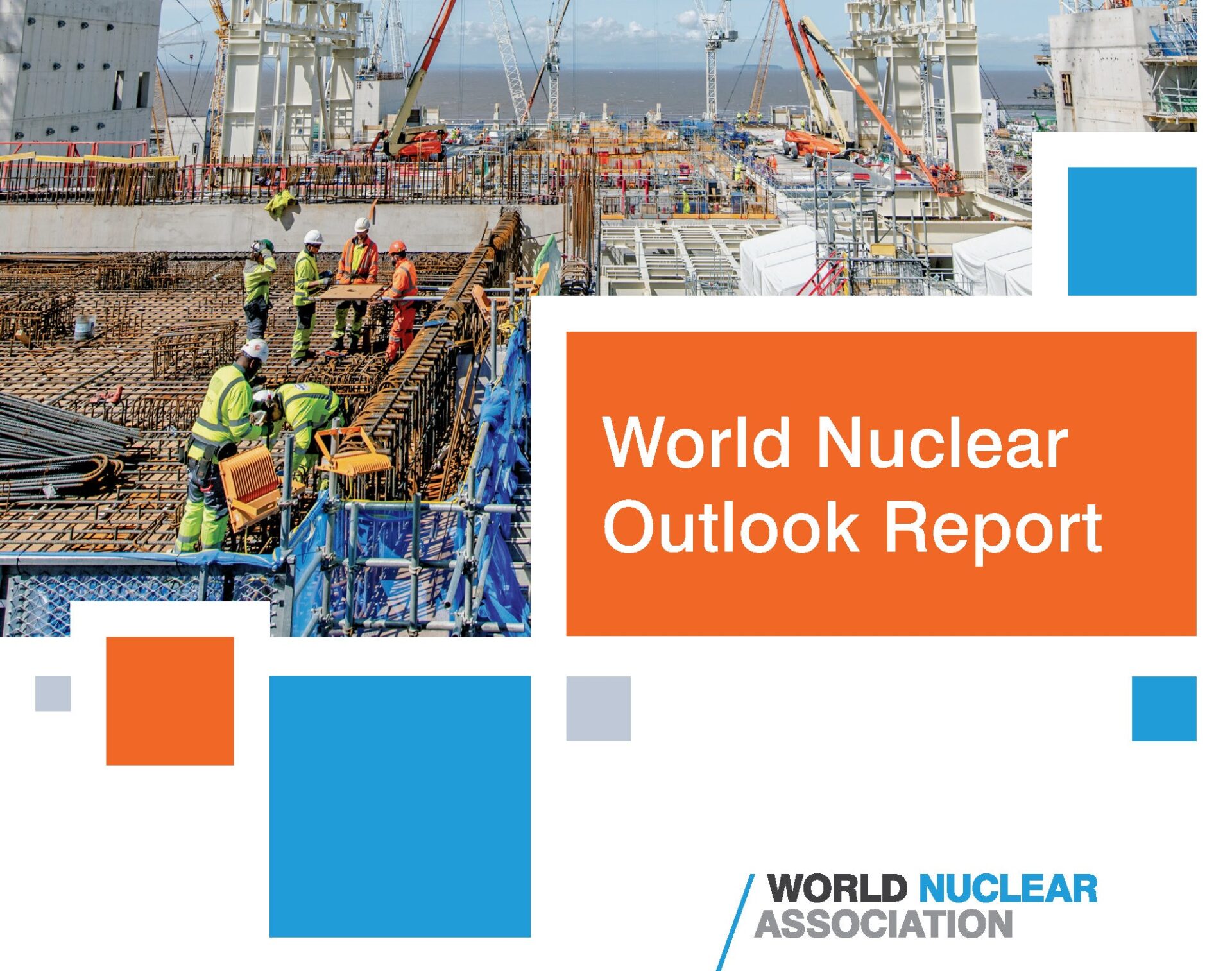
The World Nuclear Association has released the World Nuclear Outlook Report 2026, a major global assessment of the future of nuclear energy, its role in the clean energy transition, and the scale of investment, policy action and industrial mobilisation required to expand nuclear power by 2050. The report, published in January 2026, provides a timely picture of where the global nuclear sector stands and where it may be heading in the coming decades.
At a time when countries are searching for reliable, low-carbon and secure sources of energy, the report makes one message clear: nuclear energy is returning to the centre of global energy planning. According to the report, global nuclear capacity could reach 1,446 GWe by 2050, surpassing the approximately 1,200 GWe target established under the Declaration to Triple Nuclear Energy. This is a strong indication that nuclear power is increasingly being viewed not only as an energy technology, but also as a strategic tool for climate action, industrial development and energy security.
The report also notes that nuclear reactors supplied a record 2,667 TWh of electricity in 2024, exceeding the previous global record set in 2006. This achievement is important because it demonstrates that nuclear energy remains a major contributor to global electricity supply, even as countries expand renewable energy and pursue wider electrification of transport, industry, heating and digital infrastructure.
For Africa, the significance of the report goes beyond global statistics. It confirms that the next phase of nuclear growth will not be limited to traditional nuclear powers. Emerging and newcomer nuclear countries are increasingly becoming part of the global nuclear conversation. Egypt already has reactors under construction at El Dabaa, while countries such as Ghana, Kenya, Nigeria, Rwanda, Senegal and Morocco are showing growing interest in nuclear power as part of their long-term development and energy strategies.
Africa’s energy challenge is urgent and complex. The continent must expand electricity access, support industrialisation, improve grid reliability, reduce energy poverty and respond to climate change. These goals require a diversified energy mix. Renewable energy will remain essential, but many African countries also need firm, reliable and low-carbon baseload power to support industrial growth and economic transformation. Nuclear energy can help meet that need where it is introduced with strong safety, security, safeguards, financing and public accountability.
The report also points to the growing importance of advanced nuclear technologies, including small modular reactors, high-temperature reactors and other innovative designs. These technologies may become relevant for African countries in the future, especially where smaller grids, remote industrial zones, mining operations, desalination needs or industrial heat applications require flexible and reliable energy solutions. However, the promise of these technologies must be matched with careful planning, strong regulation and realistic financing.
For Ghana, the report provides an important reminder that momentum must be sustained. Ghana has made significant progress through its engagement with the IAEA Milestones Approach, the development of key institutions, and growing national interest in nuclear power as part of the country’s long-term energy security agenda. The next stage must focus on practical implementation: site studies, financing models, regulatory readiness, human resource development, grid preparedness, public communication and strong national coordination.
The World Nuclear Outlook Report 2026 also makes clear that ambition alone will not deliver nuclear power plants. Countries will need durable policies, bankable projects, credible financing arrangements, skilled workforces, strong supply chains and public trust. For African countries, this means nuclear energy cannot be treated as a symbolic aspiration. It must be pursued as a long-term national development programme requiring discipline, transparency and sustained political commitment.
At NuclearAfrica.net, we believe this report is a call to action for the continent. Africa must not remain a spectator in the emerging global nuclear order. The countries that prepare early, build institutions, train experts, engage the public and create credible investment pathways will be best positioned to benefit from the next era of nuclear development.
Nuclear energy is not only about electricity generation. It is about energy sovereignty, climate resilience, scientific capacity, industrial transformation, medical applications, food security, research, and Africa’s place in the future global economy.
The World Nuclear Outlook Report 2026 therefore arrives at the right time. It challenges African countries to move from interest to preparation, from preparation to implementation, and from implementation to responsible participation in the global nuclear future.
Africa’s nuclear future will not be delivered by ambition alone. It will be shaped by readiness, leadership, institutions and public trust.
Related

Morocco Nuclear Regulator Says No Radioactive Leak at Maâmora Research Centre
By Nuclear Africa• October 7, 2026
Amazon’s 20-Year Nuclear Deal Shows How Large Corporate Buyers Can Help Finance Nuclear Investment
By Nuclear Africa• October 7, 2026Beyond the Resolutions: GC70 and the Emerging Global Nuclear Order
By Nuclear Africa• October 6, 2026
US Nuclear Regulator’s Workforce Warning Carries a Clear Lesson for African Nuclear Newcomers
By Nuclear Africa• October 5, 2026