Large quantities of natural uranium may have left the Democratic Republic of the Congo embedded in cobalt-hydroxide exports over more than two decades, according to a peer-reviewed study that identifies a potentially significant gap between critical-mineral regulation and nuclear-material oversight.
Researchers from the University of Wisconsin–Madison and Princeton University estimate that between 2,000 and 5,000 tonnes of natural uranium were exported within cobalt-hydroxide shipments between 2000 and 2024.
The study, published in Nature Communications, concludes that less than 10% of the estimated material was publicly declared and placed under international safeguards.
It also estimates that between 1,000 and 4,000 tonnes of uranium may have been discarded into tailings in chemically mobile forms, creating potential environmental and occupational-health concerns.
How Uranium Enters the Cobalt Supply Chain
The presence of uranium does not necessarily result from a separate uranium-mining operation.
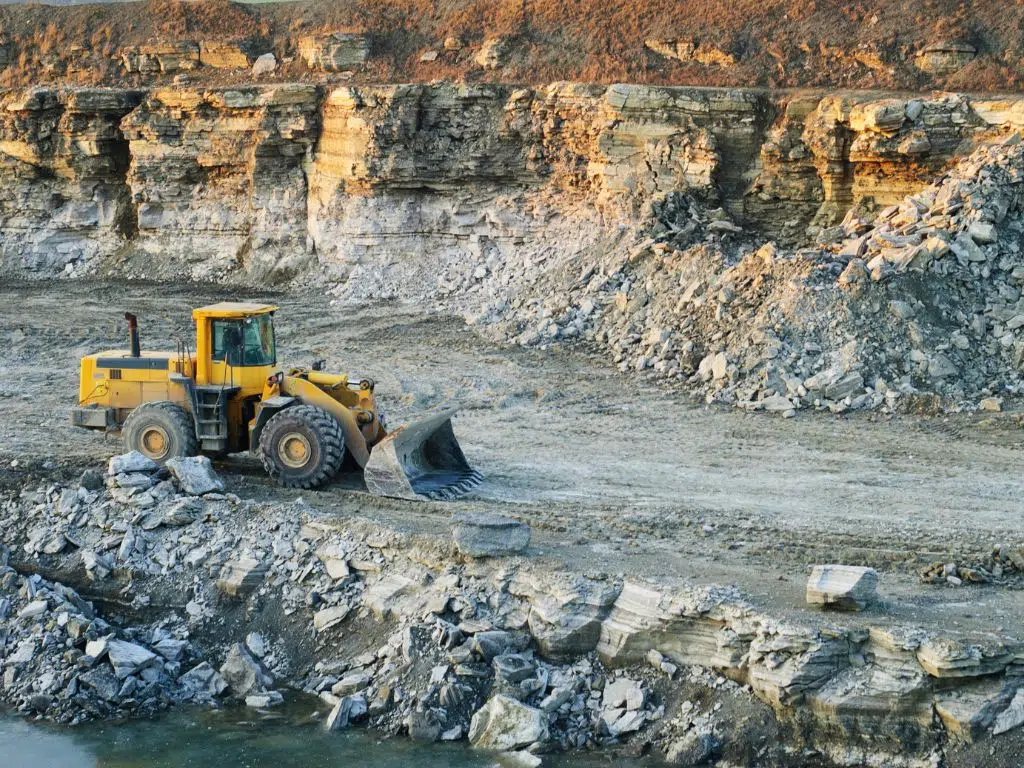
Uranium occurs naturally alongside cobalt ores in parts of the DRC’s Copperbelt.
During mining and hydrometallurgical processing, uranium can follow the cobalt into crude cobalt hydroxide unless a dedicated removal process is used.
Cobalt hydroxide is the form in which most Congolese cobalt is exported for further refining.
The researchers combined geological mapping, mineral chemistry, mine-level production data, trade records and a model of uranium behaviour during cobalt processing to estimate historical flows.
An Estimate, Not a Verified Inventory
The 2,000-to-5,000-tonne figure is a modelled estimate.
Researchers did not physically measure and trace every shipment exported from every mine during the 24-year period.
The finding should therefore not be presented as a verified stockpile of uranium recovered by a particular country or company.
What the study establishes is that the geology, chemistry, production volumes and known trade patterns make substantial uranium carryover likely.
It also identifies at least one documented case in which a refinery in Finland recovered and declared uranium from DRC-origin cobalt products between 2010 and 2017.
Where Did the Uranium Go?
Most of the DRC’s cobalt-hydroxide exports are processed in China, which hosts a dominant share of global cobalt-refining capacity.
The research does not establish the final disposition of all uranium contained in those shipments.
Some may have been removed and stored as waste. Some may have entered tailings or processing residues. Some may have been recovered as a usable by-product.
Publicly available information is not sufficient to determine the complete outcome.
The study therefore identifies an accountancy and transparency problem rather than proving intentional diversion into a prohibited programme.
Safeguards and Naturally Occurring Material
The case exposes a difficult boundary in the international nuclear-control system.
Uranium in the ground is generally treated differently from uranium that has been concentrated, processed or entered the nuclear fuel cycle.
Mining regulators may view uranium as an impurity in a cobalt product, while nuclear regulators may not receive timely information about the shipment because cobalt is the declared commercial commodity.
That gap becomes more serious when mineral processing substantially increases uranium concentration.
Countries need clear thresholds and reporting arrangements determining when naturally occurring radioactive material becomes subject to nuclear-material accountancy, radiation-protection and export-control requirements.
Worker and Community Protection
The issue is not limited to international safeguards.
Uranium-bearing ores and tailings can expose miners, processing workers and surrounding communities to radiological and chemical hazards if they are not properly characterised and managed.
The researchers recommend systematic measurement of cobalt-hydroxide shipments, improved worker monitoring, stronger uranium accountancy and a national audit of affected mining operations.
Tailings management is particularly important because uranium discarded in mobile chemical forms can potentially enter soil, surface water or groundwater.
Lessons for African Mining States
The DRC case has implications for other African countries producing copper, cobalt, rare earths, phosphate, mineral sands and uranium-associated ores.
Governments should ensure that mining ministries, customs authorities, environmental agencies and nuclear regulators share information.
Practical measures could include:
- radiological characterisation of mineral deposits;
- routine laboratory assays of concentrates and export products;
- radiation monitoring at processing plants and border points;
- rules for uranium-bearing by-products;
- worker-dose assessment;
- secure storage of recovered uranium;
- tailings-management standards; and
- material-accountancy procedures where regulatory thresholds are exceeded.
The objective is not to obstruct mineral exports. It is to ensure that radioactive materials do not move invisibly through non-nuclear commodity chains.
Domestic Processing and Value Addition
The study also connects nuclear oversight with the DRC’s wider industrial challenge.
Much of the country’s cobalt leaves as partially processed hydroxide because refining to metal requires substantial electricity and industrial infrastructure.
Greater domestic processing could improve the country’s ability to separate, measure and manage uranium before export.
But domestic refining would not eliminate the regulatory challenge automatically. It would transfer more responsibility to Congolese processing facilities and regulators.
Value addition must therefore be accompanied by stronger environmental, radiation-protection and safeguards systems.
NuclearAfrica Perspective
Africa’s critical-mineral strategy cannot be separated from nuclear governance where ores contain uranium or other radioactive materials.
The DRC study suggests that a commodity can move through the global energy-transition supply chain while carrying a material governed by an entirely different international control system.
Closing that gap requires coordination, measurement and transparency.
It also requires international buyers and refiners to accept responsibility for declaring and safely managing radioactive by-products recovered from African mineral exports.
Related


Africa Deepens Nuclear Safeguards Capacity as AFCONE Convene Hands-On Training in Nairobi
By Nuclear Africa• August 24, 2026
A 300 MW SMR Could Support More Than 12,500 Construction Jobs in Ghana: New Study Tests Nuclear’s Economic Case
By Nuclear Africa• August 24, 2026
Ghana Targets 1,000 MW of Nuclear Power by the Mid-2030s: What Must Happen Before Construction Can Begin?
By Nuclear Africa• August 24, 2026